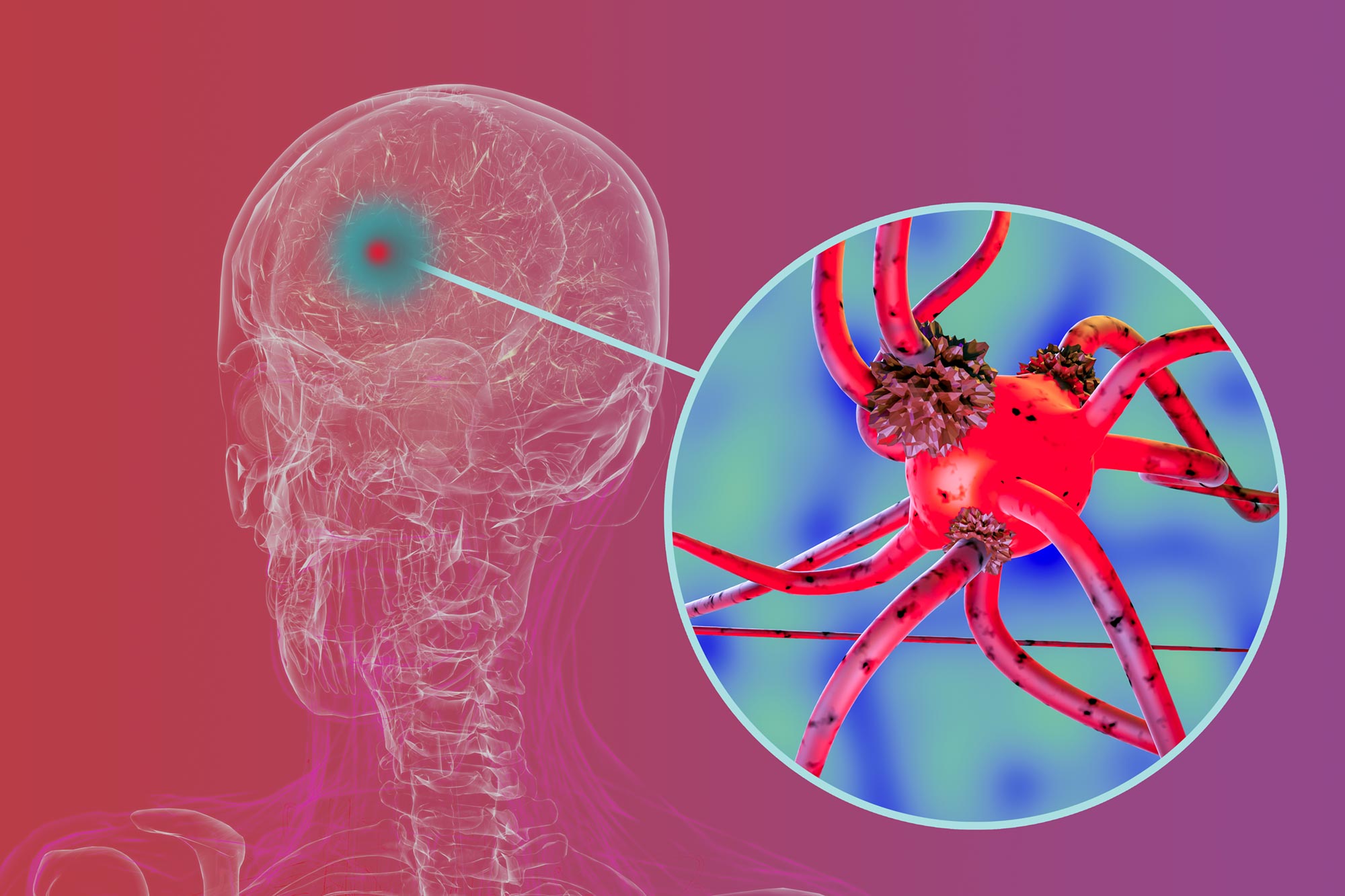
A new UCLA Health study links long-term residential exposure to the pesticide chlorpyrifos with a substantially higher risk of developing Parkinson’s disease.
A study led by UCLA Health reports that people who lived for long periods near areas where the pesticide chlorpyrifos was used faced a significantly higher likelihood of developing Parkinson’s disease.
The analysis found that this long-term residential exposure was linked to more than a 2.5-fold increase in risk. Published in the journal Molecular Neurodegeneration, the research brings together large-scale population data and laboratory experiments that reveal how the chemical harms dopamine-producing neurons, strengthening the biological case for the association.
Why it matters
Parkinson’s disease affects close to one million people in the United States and gradually interferes with movement, leading to symptoms such as tremors, muscle stiffness, and slowed motion.
Although inherited genetics influence who develops the disease, scientists are increasingly pointing to environmental exposures as key contributors. Chlorpyrifos has been a common agricultural pesticide for decades. Its use in homes ended in 2001, and limits were placed on agricultural applications in 2021, yet it continues to be applied to many crops in the US and remains widely used in other parts of the world.
Identifying which pesticides raise the risk of Parkinson’s disease could support prevention efforts and help pinpoint individuals who might benefit from earlier neurological screening or future protective therapies.
What the study did
The research team examined data from 829 individuals diagnosed with Parkinson’s disease and 824 people without the condition, all enrolled in UCLA’s long-running Parkinson’s Environment and Genes study. Using detailed records from California’s pesticide use reports, along with information about where participants lived and worked, the scientists estimated how much chlorpyrifos exposure each person experienced over time.
To understand how the pesticide might cause brain damage, researchers exposed mice to aerosolized chlorpyrifos for 11 weeks using inhalation methods that mimic how humans typically encounter the chemical. They also conducted experiments in zebrafish to identify the specific biological mechanisms of damage.
What they found
People with long-term residential chlorpyrifos exposure had more than 2.5 times the risk of developing Parkinson’s disease compared to those without such exposure.
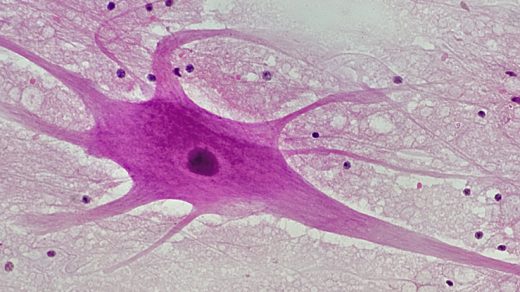
Mice exposed to the pesticide developed movement problems and lost dopamine-producing neurons, the same cells that die in Parkinson’s patients. The exposed mice also showed brain inflammation and abnormal accumulation of alpha-synuclein, a protein that clumps in Parkinson’s disease.
Zebrafish experiments revealed that chlorpyrifos damages neurons by disrupting autophagy, the cellular process that clears damaged proteins. When researchers restored this cleanup process or removed synuclein protein, the neurons were protected from damage.
What’s next
The findings identify autophagy dysfunction as a potential target for developing treatments that could protect the brain from pesticide damage. Researchers note that while chlorpyrifos use has been reduced in recent years in the US, many people were exposed in the past and similar pesticides are still used widely.
Future studies could examine whether other commonly used pesticides cause similar damage and whether interventions that enhance cellular cleanup processes might reduce Parkinson’s risk in exposed populations. The work also suggests that people with known historical exposure to chlorpyrifos might benefit from closer neurological monitoring.
From the experts
“This study establishes chlorpyrifos as a specific environmental risk factor for Parkinson’s disease, not just pesticides as a general class,” said Dr. Jeff Bronstein, professor of Neurology at UCLA Health and the study’s senior author. “By showing the biological mechanism in animal models, we’ve demonstrated that this association is likely causal. The discovery that autophagy dysfunction drives the neurotoxicity also points us toward potential therapeutic strategies to protect vulnerable brain cells.”
Reference: “The pesticide chlorpyrifos increases the risk of Parkinson’s disease” by Kazi Md. Mahmudul Hasan, Lisa M. Barnhill, Kimberly C. Paul, Chao Peng, William Zeiger, Beate Ritz, Marisol Arellano, Michael Ajnassian, Shujing Zhang, Aye Theint Theint, Gazmend Elezi, Hilli Weinberger, Julian P. Whitelegge, Qing Bai, Sharon Li, Edward A. Burton and Jeff M. Bronstein, 11 December 2025, Molecular Neurodegeneration.
DOI: 10.1186/s13024-025-00915-z
Never miss a breakthrough: Join the SciTechDaily newsletter.
Follow us on Google and Google News.