Scientists have engineered bacteria to turn waste plastic bottles into the Parkinson’s disease drug L-DOPA, offering a breakthrough for reducing plastic pollution and advancing sustainable drug production
Scientists at the University of Edinburgh have developed a groundbreaking method to transform plastic waste into a key drug used to treat Parkinson’s disease. By using genetically engineered bacteria, researchers successfully converted polyethylene terephthalate (PET) plastic into levodopa (also known as L-DOPA), a widely used treatment for the condition.
Researchers say the breakthrough opens the door to a new wave of sustainable drug manufacturing. Companies can repurpose everyday waste into life-saving treatments and reduce environmental impact.
The findings are published in the journal Nature Sustainability.
Turning plastic pollution into life-changing drugs
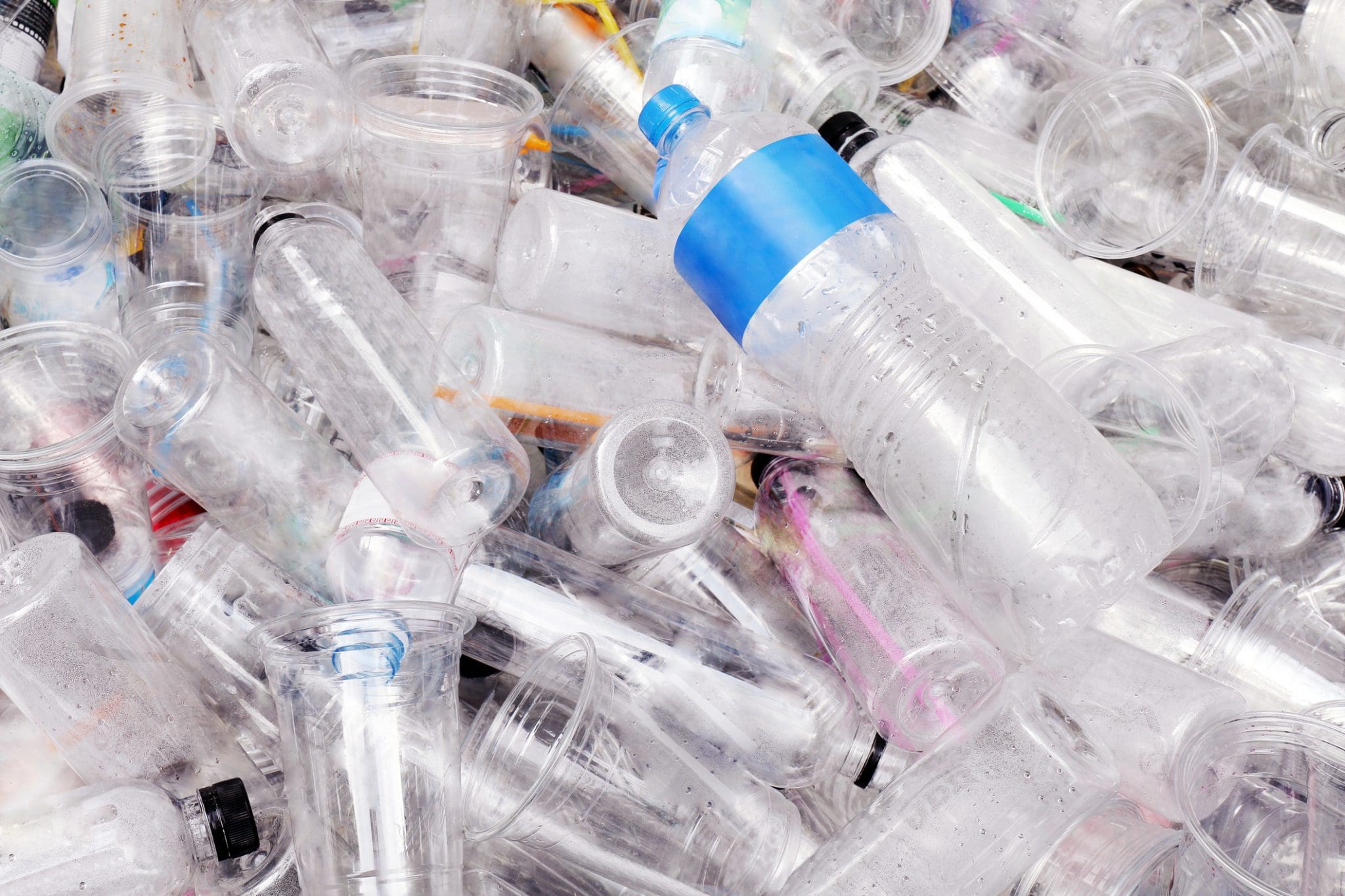
Scientists engineered E.coli bacteria to turn a commonly used plastic in food and drink packaging—polyethylene terephthalate, or PET—into L-DOPA. The process first breaks down PET waste into the chemical building block terephthalic acid. Then, the system converts terephthalic acid molecules into L-DOPA, a frontline Parkinson’s disease drug.
Researchers used biology to turn plastic waste into a drug for a brain disease for the first time.
Traditional methods of pharmaceutical production are fossil-fuel-intensive, and PET recycling is becoming increasingly limited and inefficient, contributing to plastic pollution worldwide.
This new Edinburgh breakthrough offers a sustainable way to repurpose valuable carbon from plastic waste that would otherwise be lost to landfill, incineration, or environmental pollution.
The team hopes to advance the technology towards industrial application and will take steps to optimise the process, improve its scalability, and further assess its environmental and economic performance.
“This research shows the huge potential of engineering biology to tackle some of society’s most pressing challenges. By converting discarded plastic into a treatment for Parkinson’s disease, the University of Edinburgh team has demonstrated how carbon that would otherwise be lost to landfill or pollution can be turned into high value products that improve lives. It’s a great example of how EPSRC’s investment in C-Loop is enabling innovative, sustainable manufacturing approaches that benefit both people and the planet,” commented Professor Charlotte Deane, EPSRC Executive Chair at UKRI.
“This feels like just the beginning. If we can create medicines for neurological diseases from waste plastic bottles, it’s exciting to imagine what else this technology could achieve. Plastic waste is often seen as an environmental problem, but it also represents a vast, untapped source of carbon. By engineering biology to transform plastic into an essential medicine, we show how waste materials can be reimagined as valuable resources that support human health,” added Professor Stephen Wallace, School of Biological Sciences.
How L-DOPA treats Parkinson’s and the innovative plastic-to-drug approach
L‑DOPA (levodopa) is the primary treatment for Parkinson’s disease. It helps replenish dopamine in the brain and improve motor control.
Traditionally, methods for producing L-DOPA rely on heavy petroleum-derived precursors and multi-step processes, which are energy-intensive and contribute to carbon emissions and resource depletion. The synthesis method often produces toxic byproducts, solvents, and hazardous waste, which can contaminate water or soil when disposed of.
The new method for creating L-DOPA offers a simpler, cleaner synthesis. Using microbes reduces reliance on toxic chemicals and harsh industrial conditions, offering a more environmentally friendly production route. Furthermore, the carbon in discarded plastic is repurposed into a biologically active, medically valuable molecule, demonstrating a new model for circular bioeconomy.