Although diet and nutrition are well-known to be important when it comes to living well with Parkinson’s, it can tricky to work out what foods to avoid with Parkinson’s, or simply limit, and understand the effect certain foods have on Parkinson’s symptoms and medication.
To find out more about which foods are best avoided with Parkinson’s, Parkinson’s Life spoke to Kinga Topolowska, a UK-registered dietitian with over a decade of clinical experience, mainly working in neurosciences.
Kinga currently practices as a freelance dietitian and as a Highly Specialist Neurosciences Dietitian at The National Hospital for Neurology and Neurosurgery (part of UCLH) in London.

With her core expertise in neuromedical conditions such as Parkinson’s disease, Kinga shares her expert opinion on how diet and nutrition are key to living well with Parkinson’s, and what types of foods are best limited or avoided.
Why is nutrition so important to help people with Parkinson’s live well?
“Eating well can make a big difference for people living with Parkinson’s. A diet with plenty of vegetables, fruit, whole grains, and good sources of protein (such as eggs, fish, tofu, or beans) helps the body stay strong and healthy.
“Many people with Parkinson’s lose weight without meaning to, often because of swallowing problems, constipation, reduced appetite, or side effects from medication. Losing weight can lead to weakness, tiredness, and a higher risk of falls, so keeping to a balanced diet is important.”
Can nutrition affect Parkinson’s symptoms?
“Good nutrition can also help with symptoms. Drinking enough fluids and eating more fibre can relieve constipation. Staying well-hydrated can improve energy, thinking, balance, and reduce dizziness.
“The timing of meals matters too. Parkinson’s medicines, like levodopa, often work better when taken on an empty stomach or with a light snack rather than a large meal.
“In the long term, people with Parkinson’s may benefit from a mostly plant-based diet, such as the Mediterranean-style way of eating or MIND diet. This includes plenty of vegetables, fruits, nuts, seeds, whole grains, and olive oil, with less red meat and sugary foods.
“Although more research is needed, this type of diet has been linked to better health, slower symptom progression, and improved quality of life.”
Why do people with Parkinson’s need to avoid specific foods?
“There is no single ‘Parkinson’s diet’, but some foods can make symptoms worse or interfere with medication, so it’s helpful to know what to limit. Problematic foods usually fall into a few categories:
Foods that interfere with Parkinson’s medication
“In a small group of people living with Parkinson’s, high-protein meals can reduce how well levodopa is absorbed, meaning it may not work as effectively. Protein itself is important, but timing matters—try taking levodopa on an empty stomach or with a light snack, and eat larger protein portions later in the day. Iron supplements and iron-fortified foods can also block levodopa, so take them a few hours apart from your medication.”
Foods that worsen Parkinson’s symptoms
“Constipation, low blood pressure, reflux, and fatigue are common in Parkinson’s. Highly processed foods, low-fibre diets, dehydration, and large sugary meals can make these symptoms worse. Caffeine or acidic foods may trigger heartburn or jitters for some people. If a food regularly makes you feel unwell or ‘off’, it’s worth limiting.”
Foods that are unsafe to swallow if you have Parkinson’s
“Many people with Parkinson’s develop swallowing difficulties. Hard, dry, or chewy foods (like tough meat, dry crackers, popcorn, or nuts) can increase the risk of choking or food going down the wrong way. These foods may need to be avoided or prepared differently – cut smaller, softened, moistened, or pureed. A speech therapist can give personalised advice.”
Foods that can affect the overall health
“Foods high in fat and sugar – such as packaged sweets made with palm oil or products with very long shelf lives – and those rich in saturated fats offer little nutritional value. They can contribute to weight gain, inflammation, and poorer heart health.
“In general, what is not good for overall health is unlikely to benefit brain health, so these foods are best limited. Choosing whole foods – vegetables, fruits, whole grains, legumes, lean proteins, nuts, seeds, and healthy fats – supports better energy, digestion, and overall wellbeing.”
How can people with Parkinson’s identify quickly whether a food should be avoided or not?
Dietitian-approved tips to help to spot foods best avoided with Parkinson’s:
- Choose fresh, whole foods over processed ones
- Consider medication timing, especially with levodopa and iron
- Notice personal triggers that worsen symptoms (keeping food and symptoms diary can help to identify triggers)
- Adapt food textures if swallowing is difficult.
What foods should people with Parkinson’s avoid or limit?
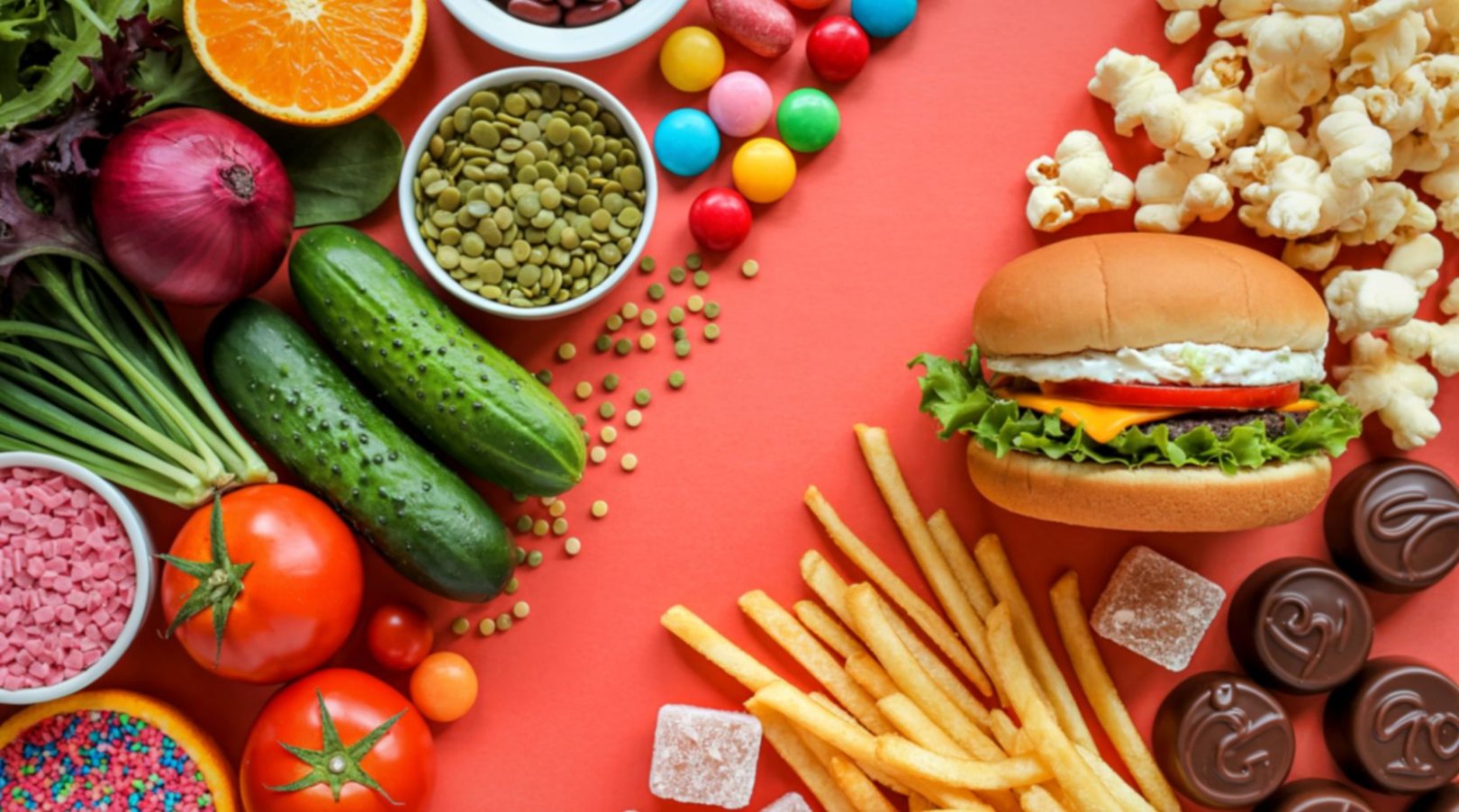
Examples of foods to limit if you have Parkinson’s:
- Fatty meats, butter, cream, fried foods. SWAP FOR: choose olive oil, lean proteins, nuts, and seeds instead
- Fast foods, processed meats, packaged snacks. SWAP FOR: for fresh meals and fibre-rich foods
- Sugary drinks and sweets. SWAP FOR: choose fruit or water
- Large protein meals at medication time. SWAP FOR: eat protein spread in smaller portions throughout the day or later in the day, if possible
- Iron supplements taken with levodopa. SWAP FOR: take separately instead
- Excess alcohol (as it can affect balance, hydration, and medication)
- Hard or dry foods if swallowing is difficult (soften, moisten, or change texture)
Print out our PDF list and stick it somewhere handy – like the fridge or cupboard door – to help you remember which foods to avoid or enjoy in moderation.
Free PDF: Foods to limit or avoid with Parkinson’s
What else do people with Parkinson’s need to know about diet, nutrition, and foods to limit or avoid?
“Nutrition won’t cure Parkinson’s, but it can make a meaningful difference. Eating mostly whole, fibre-rich foods, staying well hydrated, and timing protein away from medication can help many people feel better and get more benefit from their treatment. Small, realistic changes work best.
“A helpful approach is the 80:20 rule – aim to eat nourishing foods most of the time, while allowing some flexibility for enjoyment or social occasions. Balance and moderation are key.
“No single food is the enemy, and exclusion diets are not recommended, as they can increase stress and lead to nutrient deficiencies. For personalised advice, speak with a registered dietitian familiar with Parkinson’s.”
Read more about Parkinson’s, nutrition and living well here and see our collection of Parkinson’s-friendly recipes here.
This news item came from: https://parkinsonseurope.org/parkinsonslife/foods-to-avoid-with-parkinsons-disease-dietitian-approved-advice/