Bacteria and plastic waste each can pose health and environmental issues. But new research shows that when used together, they can have a positive health impact by creating a frontline medication for Parkinson’s disease.
It’s the most recent example of “bio-upcycling,” a growing area of research and production that strives to convert some of the 150 million to 200 million tons of plastic waste produced globally each year through biological processes into other “higher-value” products, such as precursor chemicals for medications.
MORE: Drinking soda linked to higher risk of anxiety in adolescents, study finds
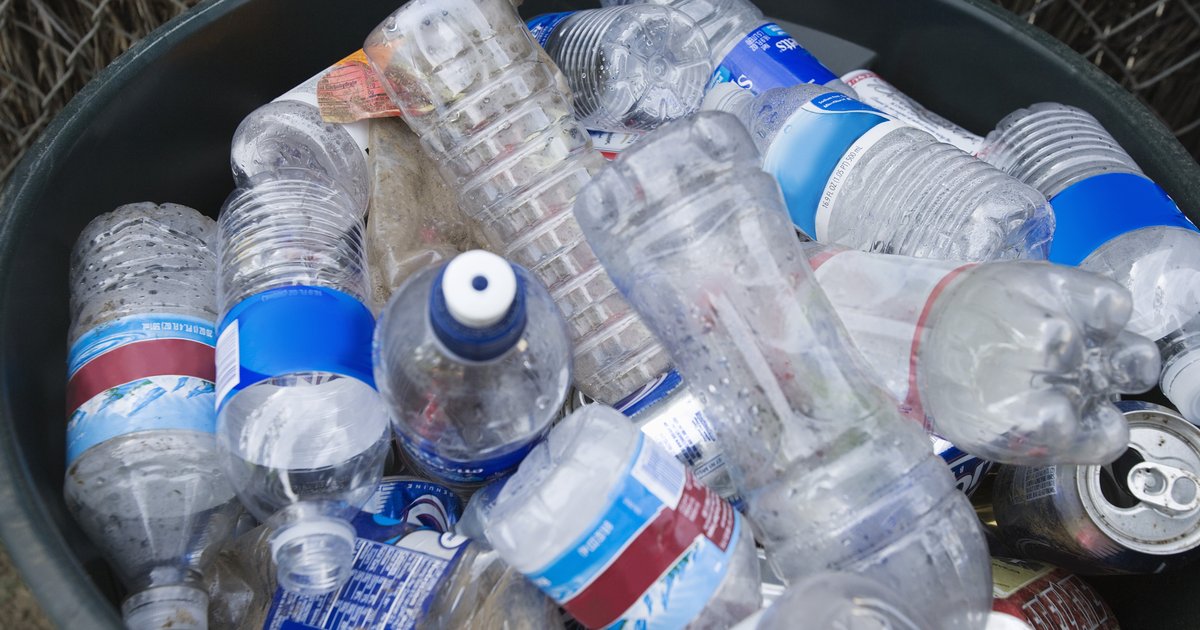
The new study is the first time scientists have been able to use a biological process to turn polyethylene terephthalate (PET) waste into a medication for a neurological disease, the researchers said. PET is a plastic resin that is used to produce plastic bottles for sodas and household products.
Scientists at the University of Edinburgh in Scotland used biologically-engineered E. coli, a bacteria that causes diarrhea, vomiting and fever, to turn plastic bottle and food container waste into levodopa, also known as L-DOPA.
L-DOPA is one of the most common medications used to treat Parkinson’s.
“This feels like just the beginning,” said Stephen Wallace, of the University of Edinburgh’s School of Biological Sciences, who led the study. “If we can create medicines for neurological disease from a waste plastic bottle, it’s exciting to imagine what else this technology could achieve.”
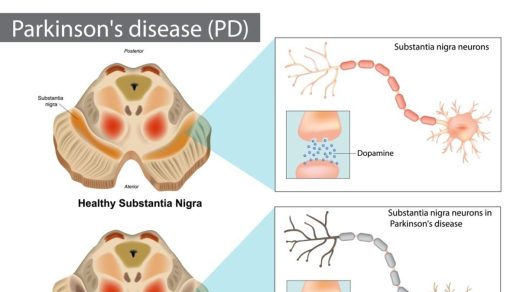
Parkinson’s is a degenerative movement disorder that affects the central nervous symptom. It usually starts with small tremors but can lead to stiffness, balance problems and mobility issues.
More than 1.1 million people in the United States are living with Parkinson’s, with about 90,000 newly diagnosed cases a year, according to the Parkinson’s Foundation. There is no cure, but treatment usually involves medication.